2025 EHS Conference Agenda
Brent Charlton
AFS EHS Division Chair, Metal Technologies, Auburn, IN
Conference Chairs
- Steven Blasko, McWane Inc., Anniston, AL
- Wesley Flemming, Keramida, Inc., Indianapolis, IN
- Mickey Hannum, McWane Inc., Birmingham, AL
Jacob Ubl, IVI, Inc., Greenville, WI
- Why you might consider a dynamic system
- Planning & execution of dynamic airflow in your system
- Common problems in dynamic systems
- Drop out in the ductwork
- Improper asset operation
- Improper control systems
- How to combat insufficient particulate collection
- System improvements for a longer lifespan & easier maintenance
Greg Kramer, GTK Engineering LLC, Duluth, MN
Craig Schmeisser, Mad River Strategies LLC, New Bremen, OH

Kayla Gibbons, Keramida Inc., Indianapolis, IN

Dan Plant, Metal Technologies, Auburn, IN
- How to?
- What is it?
- Who owns it?

Emilio Machado, Wisconsin Department of Natural Resources, Madison, WI
The Wisconsin DNR’s Green Tier program empowers organizations to go beyond compliance by integrating strong environmental management systems with a commitment to continual improvement. Through transparent performance reporting, third-party audits, and collaborative partnerships, Green Tier participants gain recognition for leadership in sustainability while benefiting from regulatory flexibility and operational efficiencies. This session will highlight how foundries and other industries can leverage Green Tier to strengthen environmental performance, reduce risk, and enhance their reputation, while also exploring additional recognition opportunities available through the DNR.

Dylan McKee, Tyler Union, Anniston, AL

Trey Poppell, Tyler Pipe, Tyler, TX
- The permit you have vs. the permit you need
- Why knowing your permit matters?
- What is the role of operations?
- Potential consequences of non-compliance
- Snags and pitfalls

Bryant Esch, Waupaca Foundry Inc., Waupaca, WI
Earl Miller, Hiler Industries, La Porte, IN
- Why are they asking so many questions?
- Is the tail wagging the dog?
- Examples of current inquiries received by metalcasters.
Moderator:

George Curry, American Foundry Society, Inc., Schaumburg, IL
Panelists:
Jenny Pappalardo, Charlotte Pipe & Foundry Co., Oakboro, NC
Steven Blasko, McWane Inc., Anniston, AL
Ryan Burke, Osco Industries, Inc., Portsmouth, OH
You know what they say, “there are no dumb questions!” This session is for foundry professionals to ask tough questions about anything Environmental on Tuesday and anything Health and Safety on Wednesday. This is a great opportunity for you to participate and to gain an understanding of changing regulations, share foundry best practices or anything else EHS. We look forward to seeing you!
Heidel House, Waves Pub & Grill, Green Lake, WI
Brent Charlton, AFS EHS Division Chair, Metal Technologies, Auburn, IN
Mickey Hannum, McWane, Inc., Birmingham, AL
Introduction
- AFS EHS Committee Overview
- Benefits of Joining and EHS Committee
- Recognition of AFS EHS Division Members in Attendance

Katie Hensley
Cottingham & Butler, Dubuque, IA
In this session, we’ll break down the workers’ comp process, explain why it matters, and show you how to drive the best possible outcomes. As a former adjuster, I’ve seen firsthand what works and what doesn’t. You’ll learn how to proactively manage claims, communicate with adjusters, and stay ahead of the evolving landscape. Most importantly, we’ll explore how to make sure employees feel genuinely supported throughout the process because when people feel cared for, outcomes improve, trust grows, and workplace culture gets stronger.
Moderator:
Brett Charlton, Metal Technologies, Auburn, IN
Panelists:

Jean-Marc Athanassiadis, COO Metal Technologies, Inc., Auburn, IN
Todd Pagel, VP Operations, Waupaca Foundry, Inc., Waupaca, WI
Ryan Burke, President/CEO Osco Industries, Inc., Portsmouth, OH
Brandon Hess, Badger Mining Corp., Berlin, WI
Air Quality - Jeet Radia, McWane Inc., Birmingham, AL
Water & Waste - Dan Plant, Metal Technologies, Auburn, IN
Health & Safety - Mickey Hannum, McWane, Inc., Birmingham, AL
- Divisional Awards
- AFS Metalcasting Safe Year Awards
- Green Foundry Awards
- Safety & Insight Awards
Stephanie Salmon, AFS Washington Office, Washington D.C.
As we wrap-up fiscal year 2025, it’s time to look back and take stock of what we learned from and about OSHA during this eventful year particularly related to current enforcement tactics and trends, and special initiatives. We will also examine what to expect going into 2025.
Jeff Hannapel, The Policy Group, Rockville, MD
Environmental issues continue to make headlines and pose challenges that can impact metalcasting facilities. Hear from the AFS Washington office how the latest developments on environmental issues could shape the political and regulatory landscape and impact your operations.
Earl Miller, Hiler Industries, La Porte, In
Daniel Moravej, Hiler Industries, La Porte, IN
- Voluntary Standards: Are they?
- Overview of AFS’ ASTM E2349 for Metal Casting Operations
- Details of E2349 Molten Metal Hoist Specifications
Moderator:
Mickey Hannum, McWane Inc., Birmingham, AL
Panelists:
Kristi Yates, Lodge Manufacturing Company, South Pittsburg, TN
Nic Dufek, Neenah Foundry Co., Neenah, WI

Pete Buczek, WGS Global Services LLC, Flint, MI
Carlos Robinson, McWane Inc., Birmingham, AL
Safety isn’t just rules, it’s what people do when no one is watching. Join our panel as they reveal how to build cultures that empower teams, drive engagement, and make safety a shared value, not just a requirement. Learn practical strategies to move beyond compliance and create workplaces where people take ownership, trust thrives, and high-risk environments stay safer every day.
Moderator:
Kristi Yates, Lodge Manufacturing Company, South Pittsburg, TN
Panelists:
Joy Jacobsen, Amsted Rail Company, Inc.m Keokuk, IA
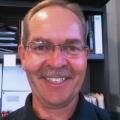
Glennn Huneycutt, Charlotte Pipe & Foundry Co, Charlotte, NC

Brayden Wright, M&H Valve, Jacksonville, AL
You know what they say, “there are no dumb questions!” This session is for foundry professionals to ask tough questions about anything Environmental on Tuesday and anything Health and Safety on Wednesday. This is a great opportunity for you to participate and to gain an understanding of changing regulations, share foundry best practices or anything else EHS. We look forward to seeing you!
Networking, time with exhibitors, hors d'oeuvres and refreshments for all.
Barry Logan, National Safety Council
- Overview of SIF
- Things that hurt people are not what kill people
- New approaches to SIF prevention

Dana Cooper, Cooper Hayes LLC, Stevensville, MI
Process Safety Hazard Management “Lite” is a systematic identification, evaluation, and control of hazards associated with industrial processes. Managing Risk through PSHM Lite Plays a critical role by ensuring the safety and well-being of workers, protecting the environment, and preventing workplace accidents. A well-constructed process hazard analysis is an essential component of any organization’s safety management system, contributing to a safer work environment and helping to protect both personnel and assets. We will review numerous tools to select Six Key elements based on your site for scenario planning, understanding human factors that drive any Quality Management System to hazard recognition, managing change, drive employee engagement to manage risk that drives A CORE Focus on embedding Process Safety Hazard Management Culture.
Joy Jacobsen, Amsted Rail Company, Inc., Keokuk, IA
As industrial environments grow more complex, traditional safety management approaches are reaching their limits. This presentation explores how technology is reshaping the landscape of workplace safety—transforming reactive protocols into proactive, data-driven systems. From predictive analytics that flag hazards before they occur, to computer vision that monitors PPE compliance in real time, technologies are empowering safety professionals to identify risks faster, act sooner, and prevent the preventable.
Drawing on real-world applications we’ll examine how technology augments human expertise rather than replacing it, ethical concerns and how technology can be responsibly integrated into safety programs to enhance compliance, reduce injuries, and foster a culture of continuous improvement.
Nic Dufek, Neenah Foundry Co., Neenah, Wi
The saying goes, "An ounce of prevention is worth a pound of cure", and when it comes to active threat or active shooter situations, preparation must go beyond simple training. For more than a decade, Nicholas Dufek has collaborated with local, county, and state law enforcement agencies to develop an active threat program focused on proactive, preventive measures that businesses and foundries can implement to safeguard their employees. In his presentation, Nicholas will share a clear and practical overview of these strategies.

Dan Engling, KERAMIDA, Inc., Indianapolis, IN
Safety metrics can focus effort and show progress, but they can also distort priorities, suppress reporting, and make work look safe on paper while real risks persist. This session looks at how metrics behave in foundry operations from pour decks to shakeout, from dust collection to maintenance turnarounds, and how to use numbers without losing sight of the work.
Learning objectives:
- Recognizing the three faces of a metric: how the same measure can guide, mislead, or harm in a foundry context.
- Metric-induced behavior: spotting under-reporting, “gaming,” and rate-chasing that leaves hazards in place.
- Old View vs. New View: practical ways to reframe metrics so they support resilience and learning on the shop floor.
- From lagging to learning: shifting attention from injury rates to indicators used to change risk profiles.
- Keeping trust while measuring: using metrics in ways that protect psychological safety so issues surface early.
Who should attend:
Safety leaders, supervisors, maintenance and melt/pour/process leads, quality and operations managers.
Bottom line:
This isn’t about throwing out scoreboards. It’s about redesigning them so the numbers match the work, help people speak up, and actually reduce risk in foundries.
Carlos Robinson, McWane Inc., Birmingham, AL
Jared Smith, McWane Inc., Birmingham, AL
- McWane's Internal Ergo Competition / National Ergo Competition
- Team Member Engagement and Identification of Ergo Projects\
- Use of AI Software
- Case Studies from Clow Valve
How do you turn front-line ideas into world-class ergonomic innovations? Hear and see how an organization launched an internal Ergo Cup competition to harness the creativity of team members and prepare teams to compete on the national stage at the Applied Ergonomics Conference. What started as small, employee-driven improvements has grown into a culture of collaboration, innovation, and engagement. By leveraging AI tools to accelerate design, validate solutions, and share best practices, teams developed practical, low-cost ergonomic improvements that not only reduced risk but also boosted efficiency and pride in ownership. This session will showcase how the organization built an internal competition that energized our workforce, connected diverse teams across sites, and positioned our team members as leaders in ergonomics innovation at a National Competition. Attendees will gain insight into how to replicate this model, strengthen team member engagement, and bring fresh energy to their own ergonomics programs.
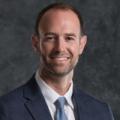
Todd Prather, Active Release Technologies, Manhattan, KS
Active Release Techniques (ART) is a hands-on treatment that addresses muscle, tendon, ligament, and nerve disfunction caused by repetitive strain and overuse. Foundry work often involves heavy lifting, repetitive motions, and awkward positions that can lead to pain, stiffness, and reduced mobility. ART combines manual pressure with movement to release soft-tissue adhesions, restore range of motion, and relieve discomfort. Recognized by OSHA as a form of first aid, ART can be applied on-site without triggering recordable injuries. This presentation will show how ART helps address these common issues. Practical examples will highlight how ART supports worker comfort, reduces downtime, and helps prevent injuries—contributing to safer and more productive foundry operations. Looking forward to seeing you there!
Moderator:
Brent Charlton, Metal Technologies, Auburn, IN